By Alessandro De Grandi
October 2024 has been a significant month in the tech world, particularly with innovations in the realm of virtual worlds. The boundaries between the digital and the physical world are progressively blurring, setting the stage for a new era of immersive experiences.
One of the significant advancements this month was the launch of Meta’s Horizon Worlds on the Oculus platform. Horizon Worlds is an expansive virtual reality social experience enabling users to design their own interactive spaces and avatar. With the power of spatial computing and artificial intelligence, it allows for social events, business meetings, and even educational sessions to be conducted in a more engaging and immersive way.
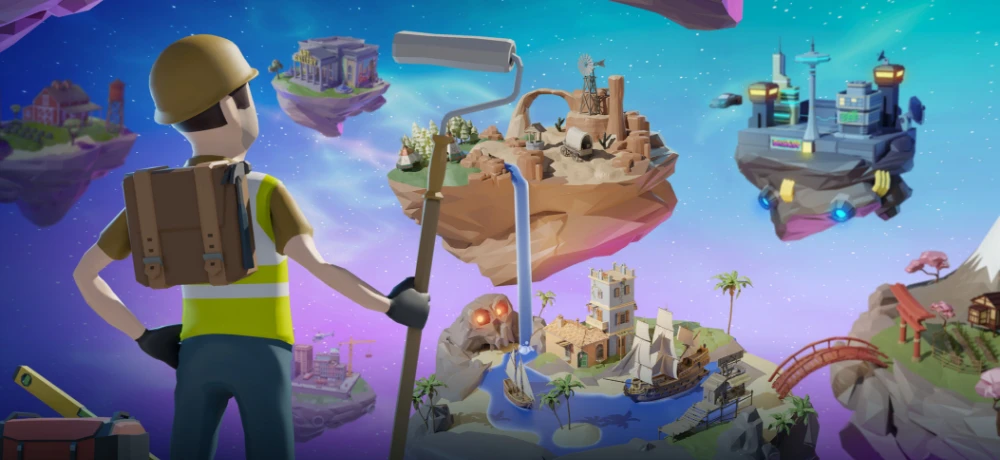
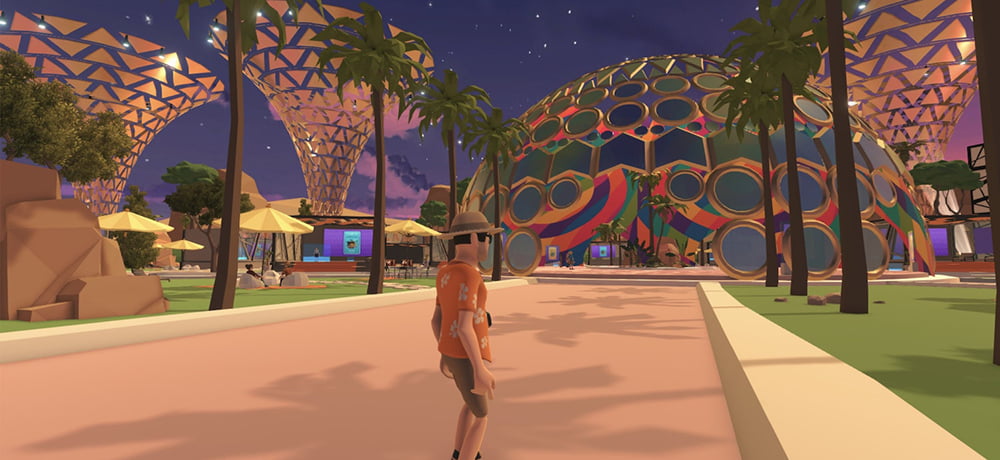
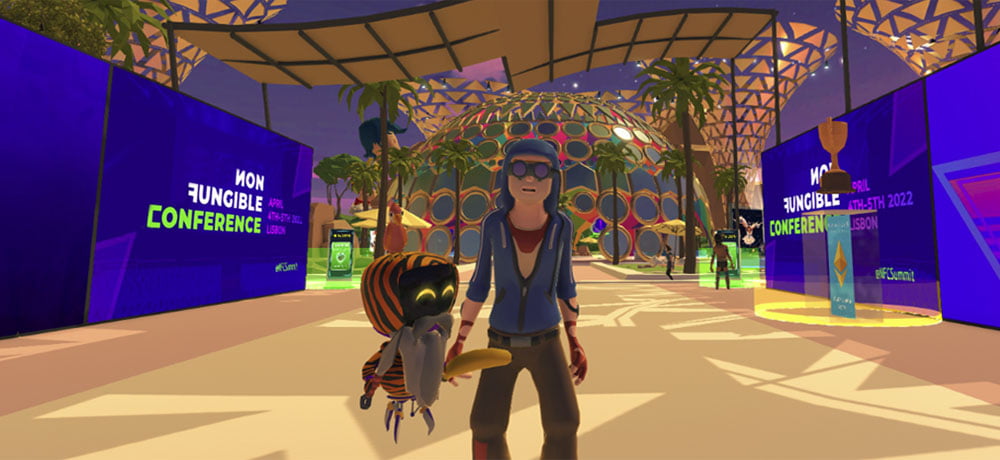
Another breakthrough was the integration of blockchain technology into the VR world. Decentraland, a user-owned virtual world, announced its major update, allowing users to trade assets and property using cryptocurrencies. This integration of Web3 into virtual worlds is not just a trend but a practical implementation, illustrating the potential of blockchain in creating decentralized digital economies.
Moreover, gaming industries are rapidly adapting to this shift. Epic Games, the creator of Fortnite, announced its plans to transform Fortnite into a Metaverse, a collective virtual shared space created by the convergence of physically virtually enhanced reality.
In conclusion, October 2024 has been a monumental period for virtual worlds, marking significant strides in the integration of advanced technologies. The convergence of VR, AI, and blockchain heralds a new era, redefining our understanding of reality and setting the stage for a future where the line between the digital and physical world becomes increasingly indistinct.